
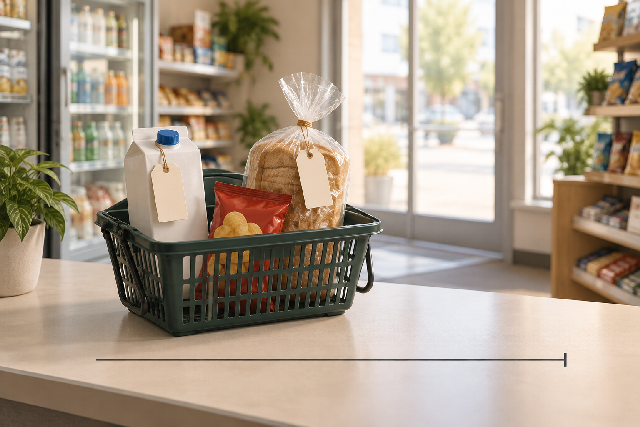
A convenience store can rescue a rushed morning, supply dinner after a late shift, or save a separate trip for milk. Those benefits have value. The trouble starts when a small purchase becomes a regular stop filled with extras you never planned to buy.
September 2026 headlines put two different stories in front of shoppers: changes to the store network behind Circle K and a returning 7-Eleven drink promotion. Both raise a useful question: Does this stop make your day easier at a price that works for you?
The answer depends on the full purchase, the offer’s rules, and the cost of getting there. Here is how to compare your options without turning every snack run into homework.
What the Convenience Store Closure Headlines Actually Mean
A September 17 report from TheStreet identified Alimentation Couche-Tard, the company behind Circle K, as the retailer associated with an 80-store reduction.
There is an important distinction in the underlying numbers. Couche-Tard’s quarterly announcement groups those 80 sites under closures, disposals, and withdrawals for the 12 weeks ending July 19, 2026. That category does not establish that 80 U.S. storefronts permanently shut their doors. A disposal can involve a sale rather than the disappearance of a store.
The company also reported new construction and other additions. These figures describe changes within a large retail network, not evidence that every neighborhood is losing convenience stores.
For U.S. shoppers, the practical question is local: Is your usual location closing, changing ownership, or changing hours? The aggregate announcement does not provide a verified list of 80 U.S. closures. Check the specific location before changing your routine.
Check the Price Behind a “Free” Drink Headline
The September promotion also needs a closer look. According to 7-Eleven’s official announcement, Bring Your Own Cup Day on September 19, 2026, offers a Slurpee fill for $1.99 at participating 7-Eleven, Speedway, and Stripes stores. The announced offer is not universally free.
Containers must be clean, watertight, leak-proof, and able to stand upright within the store’s 10-inch cutout so they fit beneath the dispenser.
The announcement does not state an app enrollment or additional-purchase requirement for that $1.99 offer. Anyone advertising a separate free deal should provide its specific terms. Confirm participation before traveling, and do not assume the September 19 promotion remains available afterward.
A discounted drink can be an enjoyable planned treat. It stops being a money-saving purchase if you buy a special container, make an expensive detour, or add food you otherwise would not have purchased.
Compare the Amount You Get, Not Just the Sticker Price
Package sizes can make a cheap-looking purchase surprisingly expensive. The Federal Trade Commission recommends comparing unit prices when assessing value. A unit price tells you what you pay for a consistent amount, such as one ounce.
Here is an illustrative comparison, not a survey of current store prices:
| Purchase | Package price | Size | Cost per ounce |
|---|---|---|---|
| Single snack bag | $2.49 | 3 ounces | $0.83 |
| Larger bag of the same snack | $4.80 | 12 ounces | $0.40 |
Divide the price by the number of ounces. In this example, the smaller bag costs more than twice as much per ounce.
That does not automatically make the larger bag the better purchase. If you only have $3 available, lack storage, or will waste most of it, the smaller package may fit your situation. Compare products you would actually use, and keep the units consistent.
For drinks, check fluid ounces. For multipacks, check both the number of containers and their individual sizes. A six-pack of small bottles is not the same amount as a six-pack of larger ones.
Count the Detour Before Chasing the Discount
A deal nearby and a deal across town have different costs. A quick calculation can show whether a special trip makes sense.
Suppose a promotion saves you $2 compared with a drink you already intended to buy. The store requires an eight-mile round trip. Your vehicle gets 25 miles per gallon, and gasoline costs $3.50 per gallon.
Illustrative fuel cost: 8 miles ÷ 25 miles per gallon × $3.50 = $1.12.
That leaves only $0.88 of the discount before considering vehicle wear or your time. Add an unplanned $2 snack, and the trip costs more than the original purchase would have.
Your numbers will differ. If the store is already on your commute, there may be almost no extra driving. If you walk, the main trade-off may be time. The point is to count the additional trip, not charge an entire day’s transportation against one purchase.
Use Rewards Without Buying More to Earn Them
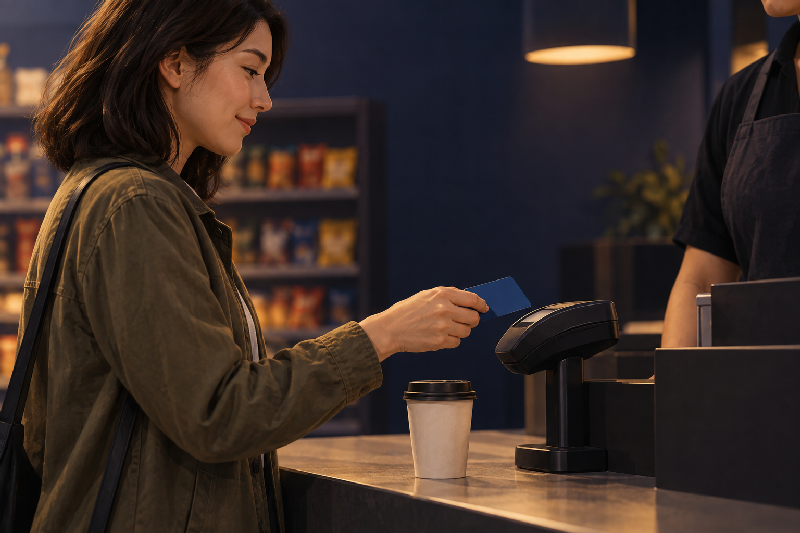
A loyalty discount works best when it lowers the price of something already on your list. Before using an offer, check its expiration date, eligible size, quantity requirement, and whether you must activate it.
Pay particular attention to offers that require two items. Buying two drinks at a lower individual price still means spending more today than buying one, unless you genuinely need both.
- Choose your purchase first. Then look for a matching discount.
- Separate cash savings from future rewards. Points are only useful if you can redeem them under the program’s rules.
- Check the register total. Make sure the expected discount actually appears.
- Ignore irrelevant alerts. A coupon for something you did not want creates a new expense.
You do not have to reject every treat. Give it a place in your spending plan so the decision belongs to you rather than the promotion.
If Your Regular Store Closes, Rebuild the Routine
Losing a nearby store can matter most when transportation, work hours, or mobility limit your options. The cheapest supermarket is not necessarily useful if it is closed after your shift or requires an extra bus ride.
Start by identifying what you actually bought at the old location. Fuel, breakfast, household basics, and occasional snacks may each have a different replacement.
| Usual need | What to compare |
|---|---|
| Milk, bread, or other basics | Price, package size, opening hours, and whether another regular trip can cover the purchase |
| Coffee or breakfast | Total meal cost and the practicality of preparing something at home |
| Fuel | Price for your payment method and extra distance required |
| Late-night essentials | Reliable hours, accessible transportation, and a backup location |
Verify new hours directly rather than relying only on an old map listing. If ownership changes, ask whether previous rewards or offers still apply. A familiar sign or address does not guarantee identical terms.
A nearby closure alone does not prove that prices elsewhere will rise. Compare actual alternatives before making that assumption.
Make One Small Change That Lasts
Review a week of receipts and identify the purchase you repeat most often. You may get more value from changing that habit than from collecting several one-time coupons.
For example, keep a snack in your work bag if hunger regularly turns a fuel stop into a food purchase. If morning coffee is important to you, keep buying it but skip an automatic add-on you barely enjoy.
Give convenience its own modest allowance. This recognizes that a fast meal or nearby shop can be worth paying for while keeping those purchases visible. A workable plan should survive a busy week.
Frequently Asked Questions
Are convenience stores always more expensive?
No single rule covers every item or promotion. Compare equivalent sizes and the total cost of the trip. A nearby store can be a sensible choice for one essential purchase, even when another retailer has a lower shelf price.
Does the 80-store figure mean my Circle K is closing?
No. The reported total combines several types of network reductions and does not establish a closure at your location. Look for a location-specific notice or ask the store directly.
Is it worth buying extra items to unlock a deal?
Only when you need those items and the complete purchase compares favorably with your alternatives. Spending more to receive a discount is not the same as spending less overall.
Keep the Convenience, Control the Total
Before your next stop, ask three questions: What am I buying? What will the whole visit cost? Is the trip already part of my day?
Those answers are more useful than a dramatic closure headline or a large discount sign. Keep the purchases that solve a real problem, check the offer details, and let the extras earn their place in your budget.
References
- TheStreet: Convenience store giant closes 80 stores — Identifies the retailer behind the September 17 closure headline.
- Alimentation Couche-Tard: First-quarter fiscal 2027 results — Provides the reporting period and the combined closures, disposals, and withdrawals category.
- 7-Eleven: September 2026 Bring Your Own Cup Day announcement — Supports the promotion date, $1.99 price, participating brands, and container requirements.
- Federal Trade Commission: The case of the shrinking packaging — Explains how unit prices help shoppers compare packages and assess value.