
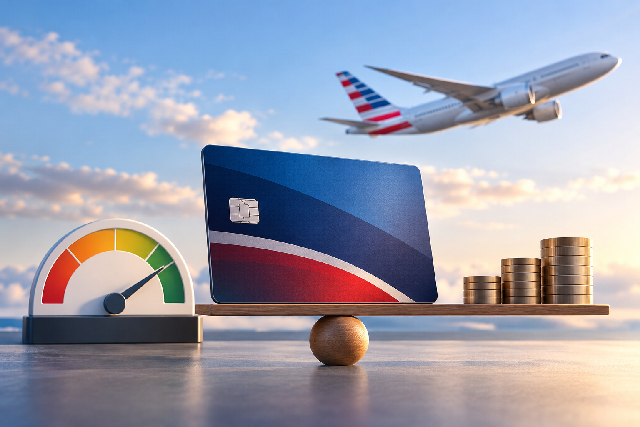
American Airlines and Citi are giving two popular AAdvantage credit cards a major refresh, but the extra benefits come with a higher price.
On October 27, 2026, Citi and American Airlines announced changes to the Citi / AAdvantage Platinum Select World Elite Mastercard and the Citi / AAdvantage Business World Elite Mastercard. Both cards currently carry a $99 annual fee after the introductory first year. Beginning January 24, 2027, that fee rises to $150.
That is a $51 annual increase, or about 52% more than the current fee. The important question is not whether the new benefits sound valuable on paper. It is whether you will actually use enough of them to recover that extra $51—and ultimately justify paying $150 every year.
Here is how the numbers work.
What Is Changing on the Citi AAdvantage Cards?
According to the October 27 Citi announcement, both affected cards will move from a $99 annual fee to $150 as of January 24, 2027. The annual fee remains waived for the first 12 months after opening an account.
| Card | Current Annual Fee | New Annual Fee | Increase |
|---|---|---|---|
| Citi / AAdvantage Platinum Select | $99 after first year | $150 after first year | $51 |
| Citi / AAdvantage Business | $99 after first year | $150 after first year | $51 |
Existing cardholders receive the new and enhanced benefits beginning January 24, 2027. Citi’s published pricing disclosures also state that the annual fee becomes $150 on that date. The exact timing of a fee charge for an existing account depends on its renewal cycle, so cardholders should check their account notice before making a decision.
New Citi AAdvantage Platinum Select Benefits
The consumer Platinum Select card receives the larger lifestyle-oriented refresh.
New or improved benefits include:
- 3 AAdvantage miles per dollar on eligible AAdvantage Hotels bookings through aadvantagehotels.com.
- 3 miles per dollar on eligible AAdvantage Cars bookings through aadvantagecars.com.
- 2 miles per dollar at gas stations, expanded to include EV charging stations.
- 2 miles per dollar on select streaming services.
- 2 miles per dollar on eligible Rides and Rails purchases.
- Up to $120 toward Global Entry or TSA PreCheck application fees every four years.
- Up to $100 per year in statement credits for eligible inflight purchases.
- A complimentary annual Walmart+ membership, which Citi lists at a $98 value.
- A 50% discount on an annual FOX One subscription.
- New travel protections, including trip delay, trip cancellation and interruption, worldwide car rental insurance and lost baggage protection, subject to terms.
The existing $125 American Airlines Flight Discount also increases to $150. However, you must spend at least $20,000 in purchases during the cardmembership year and then renew the card to qualify.
Several important existing benefits remain. Cardholders still receive a free first checked bag on eligible domestic American Airlines itineraries for the primary cardholder and up to four companions on the same reservation, preferred boarding, 2 miles per dollar on eligible American Airlines purchases and restaurants, and no foreign transaction fee.
What Changes on the Citi AAdvantage Business Card?
The business card also rises from $99 to $150 and gains additional earning opportunities and travel protections.
New benefits include 3 miles per dollar on eligible AAdvantage Hotels and AAdvantage Cars bookings and 2 miles per dollar in one selected business category. The available self-select categories are U.S. shipping providers, office supply stores or U.S. advertising services.
The business card also adds the Global Entry or TSA PreCheck credit of up to $120 every four years, up to $100 annually in inflight statement credits, a 25% discount on an eligible Melio subscription plan and additional travel protections.
Existing benefits remain, including 2 miles per dollar on eligible American Airlines purchases, car rentals, gas stations, telecommunications merchants, and cable and satellite providers.
Business cardholders can also continue earning a $99 American Airlines Companion Certificate after making $30,000 in eligible purchases during the cardmembership year and renewing the account.
The Real Break-Even Number Is $51
If you already considered the card worth its old $99 fee, you do not necessarily need to extract $150 of entirely new value.
You need to determine whether the new benefits provide at least $51 more value than you received before.
The basic calculation is:
Additional annual value − $51 fee increase = net gain or loss from the refresh
This is different from asking whether Citi advertises more than $150 worth of benefits. A $98 membership you would never buy is not worth $98 to you. A $100 inflight credit is not worth $100 if you normally spend only $15 onboard.
Hypothetical Break-Even Example for an Occasional Traveler
Consider a hypothetical cardholder who flies American Airlines twice per year.
Assumptions:
- The traveler already valued the existing card enough to pay its $99 fee.
- They spend $30 per year on qualifying inflight purchases.
- They would otherwise pay for TSA PreCheck once every four years.
- They do not currently pay for Walmart+.
- They do not count FOX One, extra mileage categories or travel insurance because their usage is uncertain.
The inflight credit produces $30 of real annual savings.
For simplicity, suppose the traveler conservatively assigns $20 per year to the TSA PreCheck/Global Entry benefit rather than counting the entire advertised maximum in one year.
The calculation becomes:
$30 inflight savings + $20 annualized security-program value = $50
That comes within $1 of covering the $51 fee increase.
If the traveler receives just a few dollars of additional value from the new earning categories, the refresh could break even.
But if the traveler already receives Global Entry through another credit card and never buys anything onboard, those two benefits may be worth $0. In that situation, Citi’s long list of benefits does not automatically justify the higher fee.
Checked Bags Can Still Be the Biggest Reason to Keep the Card
The free checked-bag benefit is not new, but it remains central to the card’s overall value.
American increased several checked-bag charges in 2026. CNBC reported that, as of April 9, 2026, the first checked bag purchased online on many U.S., Canada, Mexico and Caribbean itineraries costs $45 each way, with some fare types costing more.
At that $45 assumption, one traveler checking one bag on a round trip could avoid approximately:
$45 outbound + $45 return = $90
Two similar round trips would produce about $180 of avoided bag fees.
This example has important limitations. Actual bag charges depend on the itinerary, fare, elite status and other exemptions. You should not count $90 of value if you normally travel with carry-on luggage.
For a family traveling on the same eligible reservation, however, the bag benefit can become much more valuable because it extends to the primary cardholder and up to four companions.

How Much Are the Extra Miles Really Worth?
It is tempting to assign a fixed cash value to every extra AAdvantage mile. That can exaggerate the benefit.
Miles do not have a guaranteed cash value. Redemption value changes depending on the flight, dates and award pricing.
Instead, calculate how many additional miles the new earning structure gives you.
For example, suppose you spend $1,000 per year on eligible purchases that previously earned 1 mile per dollar but will now earn 2 miles per dollar.
You gain:
$1,000 × 1 additional mile per dollar = 1,000 extra miles
If you personally assume those miles are worth 1.3 cents each, the estimated incremental value is:
1,000 × $0.013 = $13
The 1.3-cent figure is only a hypothetical valuation assumption, not a promised return from Citi or American Airlines.
This is why moving ordinary spending into a bonus category usually will not, by itself, erase a $51 increase unless you spend meaningful amounts in those categories.
Keep, Downgrade or Switch?
| Option | Annual Cost | Best For | Main Trade-Off |
|---|---|---|---|
| Keep Platinum Select | $150 after first year | American flyers using bags and added credits | Benefits are heavily tied to American |
| Move to AAdvantage MileUp if eligible | $0 | People wanting AAdvantage miles without a yearly fee | Loses major Platinum Select travel perks |
| Competing airline card | Varies | Travelers who now fly another airline more often | Benefits may be tied to a different airline |
| General travel rewards card | Varies | Travelers who value flexible rewards | May not include American-specific bag benefits |
American currently offers the AAdvantage MileUp card with no annual fee. Citi also explains that product changes can sometimes allow customers to move between eligible cards without closing their existing account.
However, do not assume you are guaranteed a downgrade to MileUp or another specific Citi product. Available product-change choices can be account-specific. Call Citi using the number on the back of your card and ask which conversions are available before closing the account.
Business owners have fewer obvious no-fee AAdvantage business alternatives, so comparing the $150 Citi card against flexible business rewards cards may make more sense than looking only within the AAdvantage portfolio.
Who Is Most Likely to Come Out Ahead?
Frequent American Airlines flyers
The card is easiest to justify if you regularly fly American, check bags, value preferred boarding and can use at least some of the new credits. For this group, the extra $51 may be relatively easy to recover.
Occasional American Airlines flyers
This is the group that should calculate carefully. One or two trips with checked luggage can make the overall $150 fee reasonable, but travelers who rarely check bags should look closely at the new inflight, security-program and lifestyle benefits instead.
People who rarely fly American
The case becomes much weaker. Airline-specific miles and travel perks have limited practical value if another carrier usually offers the routes, schedules or prices you prefer.
A no-annual-fee card or a flexible travel rewards card may offer better long-term value even if its headline list of American Airlines perks is smaller.
A Five-Minute Cardholder Checklist
- Check when your next annual fee will be charged.
- Review how many American Airlines trips you took during the past 12 months.
- Count how many checked bags the card actually saved you from paying for.
- Estimate your realistic annual inflight spending.
- Do not count Global Entry or TSA PreCheck if another card already pays the fee.
- Count Walmart+ only if you would otherwise pay for or meaningfully use the membership.
- Estimate additional miles from the new bonus categories rather than counting all miles earned.
- Compare your total realistic value with the new $150 annual fee.
- Ask Citi what product-change options are available before canceling.
Frequently Asked Questions
How much is the Citi AAdvantage Platinum Select annual fee increasing?
The published annual fee increases from $99 to $150, a $51 increase. The first 12 months remain fee-free under Citi’s current disclosed pricing.
When does the new $150 fee take effect?
Citi states that the annual fee becomes $150 as of January 24, 2027. Existing cardholders gain access to the new and enhanced benefits beginning on that date. Check your account-specific renewal notice to determine when the higher fee will actually be billed to you.
Does the Citi AAdvantage Business card also rise to $150?
Yes. Its annual fee is also scheduled to increase from $99 to $150.
Is the refreshed card worth $150?
It can be. Someone who checks bags on American and uses even part of the added credits may receive more than $150 of practical value. Someone who travels light, rarely flies American and already receives similar benefits from other cards may struggle to justify the fee.
Bottom Line
The Citi AAdvantage fee increase should not automatically push cardholders toward either canceling or keeping the card.
The key number for an existing satisfied cardholder is initially just $51—the difference between the old and new annual fee. If the new benefits produce more than $51 of additional value you would genuinely use, the refresh can leave you better off.
For someone evaluating the card from scratch, use the tougher test: can the full package deliver more than $150 of real annual value after the introductory fee waiver ends?
Frequent American Airlines travelers who check bags are in the strongest position. Occasional travelers need to calculate more carefully. And travelers who rarely use American-specific benefits should compare a downgrade or flexible rewards card before committing to another year.
References
- Citigroup — American Airlines and Citi Enhance the Citi / AAdvantage Platinum Select and Business Cards — Primary October 27, 2026 announcement covering the new $150 fees, earning categories, credits, travel protections and January 24, 2027 changes.
- American Airlines Newsroom — Citi / AAdvantage Card Enhancements — American Airlines’ primary disclosure confirming card benefits, fee changes and pricing details.
- American Airlines — Citi / AAdvantage Credit Card Offers — Current card lineup, fees and consumer card options, including the no-annual-fee AAdvantage MileUp card.
- American Airlines — AAdvantage MileUp Card — Supports the comparison with the no-annual-fee consumer AAdvantage option.
- CNBC Select — Airline Checked Bag Fees and Credit Card Benefits — Provides 2026 American Airlines checked-bag fee context used in the hypothetical bag-savings calculation.
- Citi — How Credit Card Product Changes Work — Explains Citi product changes and why cardholders should check their individual eligibility before closing an account.